


Subscribe and receive email notifications of new blog posts.
 RSS Feed
- 2026 | 33 Posts
- 2025 | 49 Posts
- 2024 | 50 Posts
- 2023 | 36 Posts
- 2022 | 53 Posts
- 2021 | 63 Posts
- 2020 | 77 Posts
- 2019 | 1 Posts
- 2018 | 2 Posts
- 2016 | 3 Posts
- 2015 | 8 Posts
- 2014 | 1 Posts
- 2012 | 1 Posts
- 2011 | 2 Posts
19
Tips to paint your home like a pro in 2023
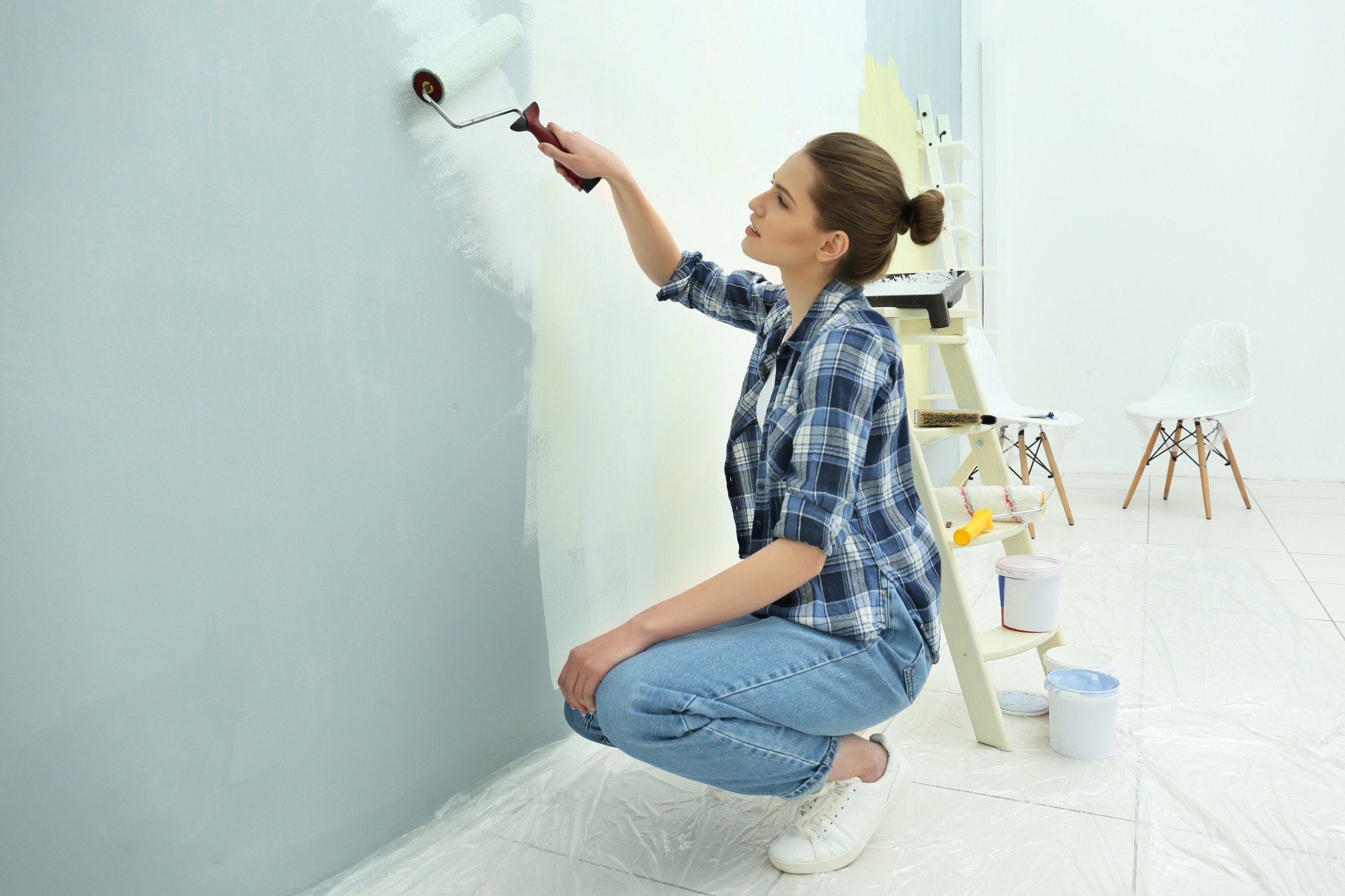
Painting a house along Alabama's Gulf Coast can be tricky. Our area's high humidity and temperatures can limit the times that it's possible, and when it is, make the process a bit more difficult. But painting your home, inside and/or outside, is one of the most cost-effective ways to increase its value. As we head into a new year, that's something to keep in mind when making your home improvement to-do list.
Winter is often a particularly good time to paint indoors in South Alabama. Low temperatures pose less of an issue when painting indoors since latex paints' ideal temp range is between 50-80 degrees Fahrenheit. Cooler weather will even allow you to open the windows and doors with less of a chance of being bitten by mosquitoes.
You can get the results you want at an affordable price with a bit of planning and some pro tips.
Your materials and prep work matter.
That's true for most things, but it's particularly true for painting. Using higher quality brushes for trim and rollers for walls and ceilings can make all the difference. When you factor in how many times you might need to reapply paint with cheaper versions, it might not even cost you more. Remember to prime before you paint – or purchase paint with primer already included – to reduce that likelihood as well. Though it's tempting to skip this step since you're covering it up anyway, you'll also want to clean any dirty areas of your trim or walls before painting or else run the risk the paint won't adhere correctly.
Though high-quality brushes and rollers are important, painters' tape may just be
the most important tool you use when painting your home. A tape that doesn't properly adhere can negate hours of hard work or make you have to paint walls that weren't in your original scope of work. Try cutting the tape from your baseboards with a box knife before removing to reduce the chances of ruining your paint job.
Move all your furniture to the center of the room and cover with drop cloths. Speaking of drop cloths, you're going to want to cover any flooring you think you may need to get to while painting. That includes pathways to the bathroom or kitchen sink. Even if you use socks or shoes that you take off when you're away from the painting area, the bottoms of your pants can smear paint along floors. Cotton drop cloths are less of a tripping hazard and are more likely to be able to be reused.
Perfect your technique.
You don't necessarily need Mr. Miyagi from The Karate Kid to train you, but you may want to treat the poster boards you painted to test the new color like it's the real deal for practice. Hang up the poster board with painters' tape and move them around the room at different times of day to make sure your paint color will look like you envision.
You're going to want to start painting at a bottom corner of the wall and use a paint roller to cover the full height of the wall upward, overlapping the strokes a bit as you cover the wall to reduce lap marks, visible streaks of paint on a wall. Continue to add fresh paint to your brush and go back to even out thick spots or runs. Fair warning, though, if you go over partially dried paint, it will likely ruin it. You'll need to wait until it's completely dry and try again. Also, be sure to use a roller after using a brush to paint around light switches and trim so the texture does not look any different. That can especially become an issue in rooms with a lot of sunlight during particular portions of the day. In some lighting, the paint could look fine, and in others, you'd be able to see every brush stroke.
Don't rush.
It's tempting to try to paint your home as quickly as possible, but a rush job usually only requires it to be redone. So in addition to taking your time on the prep work and technique you use while painting, set a realistic goal for how much you can paint in a day and how long the project will take overall. Ask when you buy your paint how long the area would typically take to paint (then don't forget to factor in prep time). If you have to take a break overnight, wrap your rollers and brushes snuggly with cling wrap to prevent you from needing to wait until they are completely dry to use them again. Covering the top of your paint can with cling wrap before putting on the lid can help keep it from drying out in the can as well. Taking your time ensures you only have to paint that wall once during your project.
Happy painting this new year!