


Subscribe and receive email notifications of new blog posts.
 RSS Feed
- 2026 | 28 Posts
- 2025 | 49 Posts
- 2024 | 50 Posts
- 2023 | 36 Posts
- 2022 | 53 Posts
- 2021 | 63 Posts
- 2020 | 77 Posts
- 2019 | 1 Posts
- 2018 | 2 Posts
- 2016 | 3 Posts
- 2015 | 8 Posts
- 2014 | 1 Posts
- 2012 | 1 Posts
- 2011 | 2 Posts
21
Tips to control moisture in your home
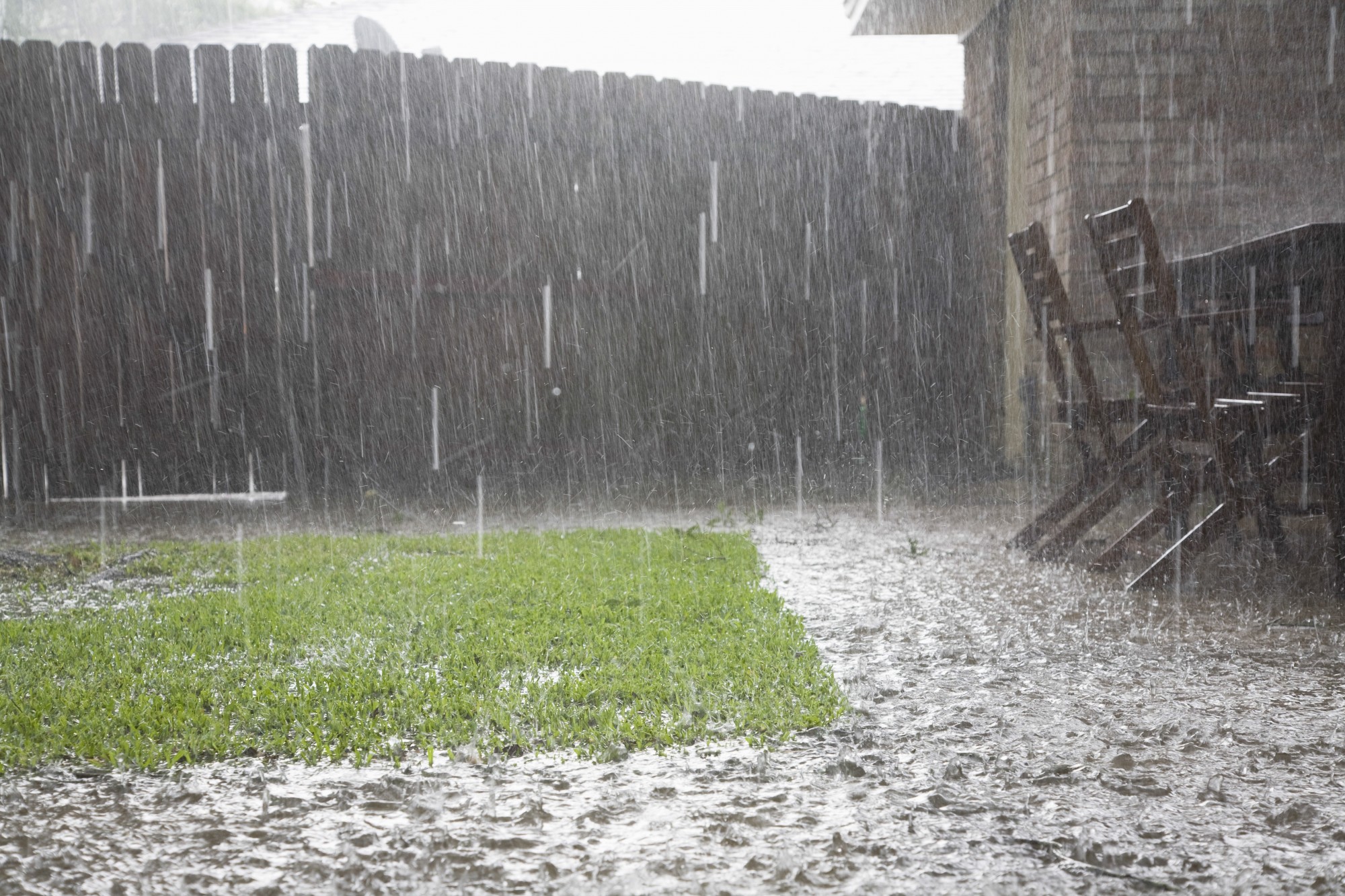
Love it or hate it, humidity is part of living along the Gulf Coast – as is rain. According to some rankings, Mobile could even hold the title of rainiest metro area in the Lower 48. For any who call it home, it's a believable claim, especially with summer right around the corner.
The wetness of our area can pose a particular problem for homeowners. Moisture, whether as pooling water or water vapor in the air, is often the enemy of a well operating home. It can slowly seep into crawlspaces, windows, attics and walls, causing damage and health issues even when flooding doesn't occur. The recommended relative humidity level, a measure of the amount of water vapor in the air, for a home's interior is between 30 – 50 percent, according to home advisor Bob Vila. Any higher than 50 percent and mold can begin to develop. With an average relative humidity in the 70-plus percent range in Gulf Shores, it's not surprising that our homes may need some help to manage the moisture – above and beyond what your our conditioners are likely already doing.
If you have issues with rusting metal, condensation on windows, rotting wood, discoloration on surfaces or a musty odor in your home, you may have a moisture issue, according to the National Center for Healthy Housing. Consider these options to help keep any type of moisture from causing problems in your home:
Gutters
Perhaps one of the easiest ways to prevent issues with water collecting under your home is to try to try to prevent it from ending up there in the first place. Gutters are an excellent way to redirect water that could otherwise end up in a crawlspace. Be sure that your downspouts are long enough to prevent the water from seeping under the house.
Exhaust fans
Sometimes, simple is best. Though your bathroom and kitchen should have exhaust fans, if they don't, add them. They are meant to help remove moisture from your home. Let them do their job. Be sure that any bathroom or kitchen vents – and your dryer vent – are directed outside instead of in the attic or crawlspace. Otherwise, you're just redirecting the issue to another part of the house.
French drain or trench drains
Both French and trench drains are depressions meant to channel water from under or around your home. French drains are typically filled with perforated pipe, gravel and perhaps some type of lining to increase the capacity of the drain. They are meant to help water absorb quickly back into the ground or drain into a sump pump to be removed to a more preferable location. Trench drains redirect water before it's absorbed into the soil. They are typically lined with concrete and covered with a grate to keep it clear of debris. A drain around a pool is an example of a trench drain, but they can also work well in ground depressions near your home.
Dehumidifiers
Their name says it all. Dehumidifiers remove humidity from the air and can either be integrated into your home's existing HVAC system or can be standalone units. For moisture issues in a crawl space, dehumidifiers can even be set up to drain the water they remove into a sump pump to be pumped from under your home.
Vapor barriers
Vapor barriers are sheets of plastic that can be installed on the floor of a crawlspace to help prevent moisture from seeping into the area. The Department of Energy suggests a 6-mil polyethylene barrier in its moisture control recommendations. This not only helps control moisture under your home, but in your home's walls as well.
Stay dry!